
Stress Symptoms: How to Recognize the Signs of Stress
Stress can affect more than your mood. It may influence how your body feels, how you think, how you sleep, and how you behave throughout the day. You might notice frequent headaches, muscle tension, digestive discomfort, irritability, or difficulty concentrating.
Recognizing stress symptoms can help you understand what you are experiencing and decide whether you need additional support. However, stress does not affect everyone in the same way, and many of its symptoms can also have other causes.
In this guide, you will discover the common physical, emotional, and behavioral signs of stress, why they occur, and when it may be important to speak with a healthcare professional.
Table of Contents
What Are the Common Symptoms of Stress?
Stress is the body’s response to a situation that feels demanding, challenging, or threatening. It can activate physical and psychological reactions that prepare you to respond to the situation.
These reactions are sometimes helpful in the short term. For example, feeling alert before an important presentation may help you concentrate. However, when stress becomes frequent or difficult to manage, it may start affecting your everyday well-being.
The common symptoms of stress generally fall into three categories:
- Physical symptoms: changes in how your body feels, such as headaches, muscle tension, or stomach discomfort.
- Emotional and psychological symptoms: changes in your thoughts and feelings, such as worry, irritability, or feeling overwhelmed.
- Behavioral symptoms: changes in your habits and actions, such as withdrawing from social activities or changes in eating and sleeping patterns.
You may experience symptoms from more than one category at the same time.
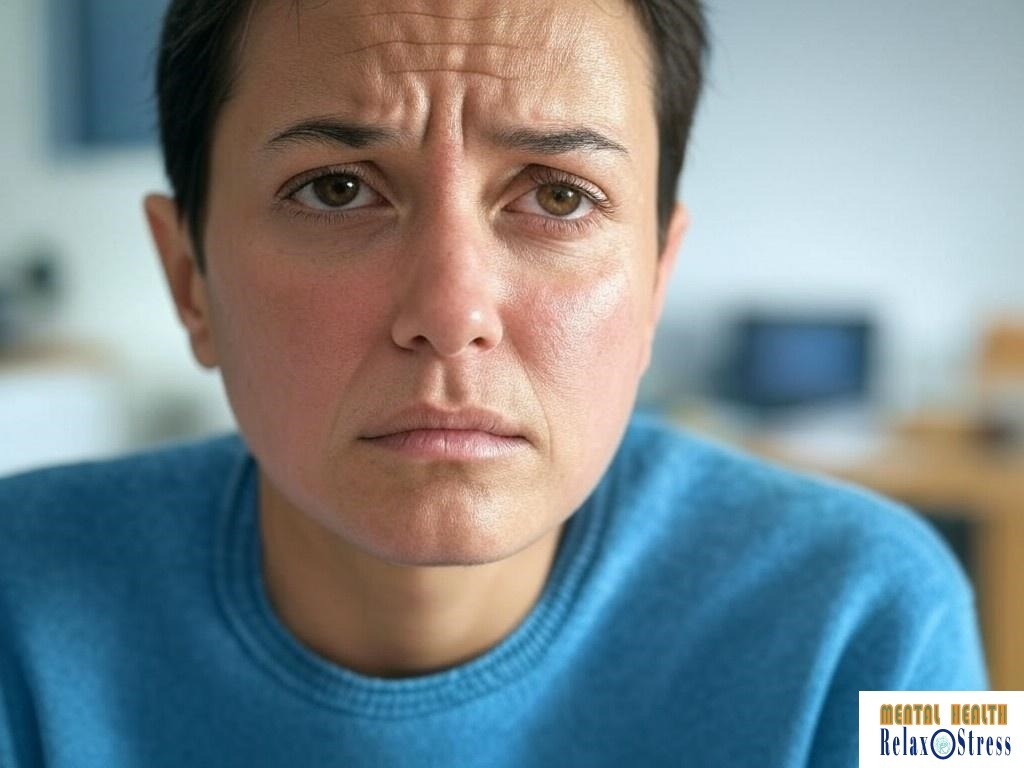
1. Physical Symptoms of Stress
Stress can affect several body systems. Some physical reactions appear during a stressful situation, while others may become more noticeable when pressure continues.
Here are some common physical signs to recognize.
1. Muscle Tension and Body Aches
Muscle tension is a common physical response to stress. When your body perceives a challenge or threat, your muscles may tighten as part of its natural preparation for action.
You may notice:
- Tightness in your neck and shoulders.
- Stiffness in your back.
- Jaw clenching.
- General muscle discomfort.
- Tension-related headaches.
If muscle tension continues, it may contribute to persistent discomfort. However, muscle pain can have many possible causes, so it should not automatically be attributed to stress.
2. Headaches
Stress may trigger or worsen headaches, including tension-type headaches and migraines in people who are susceptible to them.
You might experience:
- Pressure around your forehead.
- Tightness around your head.
- Pain around your neck and shoulders.
- Headaches that become more noticeable during demanding periods.
Sleep disruption, muscle tension, and other factors may also contribute to headaches.
3. Digestive Discomfort
Your brain and digestive system communicate through a complex network of signals. Stress can influence this communication and affect how your digestive system functions.
Possible digestive symptoms include:
- Stomach discomfort.
- Bloating.
- Nausea.
- Diarrhea or constipation.
- Changes in appetite.
Stress may also worsen symptoms in people who already have digestive conditions. Persistent or severe digestive problems should be assessed by a healthcare professional rather than assumed to be stress-related.
4. Changes in Sleep
Stress can make it difficult to relax at bedtime. You may find yourself thinking about unfinished tasks, worrying about upcoming events, or waking during the night.
Common sleep-related signs include:
- Difficulty falling asleep.
- Waking up several times during the night.
- Waking earlier than expected.
- Feeling tired after sleeping.
- Changes in your usual sleep schedule.
Poor sleep can also make it harder to manage everyday challenges, creating a cycle in which stress and sleep difficulties influence each other.
5. Faster Heartbeat and Changes in Breathing
During a stressful situation, your body may become more alert. You might notice a faster heartbeat, sweating, or quicker breathing.
These reactions can occur as part of the body’s short-term stress response.
However, chest pain, significant breathing difficulties, fainting, or a new or unexplained racing heartbeat should not automatically be attributed to stress. Seek appropriate medical assessment, and get emergency help for severe or sudden symptoms.
2. Emotional and Psychological Symptoms of Stress
Stress can also influence your thoughts, feelings, and ability to manage everyday situations.
Some emotional signs are easy to recognize. Others develop gradually and may be mistaken for tiredness or a temporary change in mood.
6. Feeling Anxious or Constantly Worried
When you are under pressure, your thoughts may become focused on possible problems or uncertain outcomes.
You might:
- Worry about things you cannot control.
- Repeatedly think about upcoming responsibilities.
- Feel nervous before ordinary activities.
- Find it difficult to switch off your thoughts.
- Expect negative outcomes even when there is no clear reason to do so.
Feeling worried during a difficult period does not automatically mean you have an anxiety disorder. If worry becomes persistent or interferes with your daily life, professional support may help.
7. Irritability and Frustration
Stress can make it harder to respond calmly to everyday frustrations.
For example, you may become irritated by small interruptions, feel impatient with other people, or react more strongly than you normally would.
You might also notice that you have less energy for conversations or social activities.
8. Feeling Overwhelmed
When several demands accumulate, even simple tasks can start to feel difficult.
You may feel that there is too much to do and not enough time or energy to manage everything.
This can lead to:
- Feeling unable to prioritize tasks.
- Becoming easily frustrated.
- Struggling to make decisions.
- Feeling mentally exhausted.
- Wanting to avoid responsibilities.
Feeling overwhelmed can be a sign that your current demands are exceeding the resources you feel you have available.
9. Difficulty Concentrating and Making Decisions
Stress can make it harder to focus your attention, remember information, and organize your thoughts.
You might:
- Read the same paragraph several times.
- Forget small tasks or appointments.
- Have difficulty choosing between options.
- Lose track of conversations.
- Struggle to complete activities that usually feel manageable.
These difficulties may become more noticeable when stress is accompanied by poor sleep or emotional exhaustion.
10. Mood Changes
You may notice changes in your emotional responses during stressful periods.
For example, you might feel sad, frustrated, restless, or unusually sensitive. Your mood may also seem less predictable than usual.
Mood changes are not specific to stress. If they are severe, persistent, or interfere with everyday functioning, consider discussing them with a healthcare professional.
Stress does not only affect your emotions. It can also influence several physical processes in the body. Learn more about how stress affects the body and why managing ongoing stress matters.
3. Behavioral Changes Caused by Stress
Not all stress symptoms are physical or emotional. Sometimes, the clearest signs appear in your everyday habits and interactions.
11. Changes in Eating Habits
Stress can affect appetite in different ways.
Some people eat more than usual, while others lose interest in food or forget to eat regularly.
You may notice:
- Eating when you are not physically hungry.
- Skipping meals.
- Craving certain foods more often.
- Eating more quickly than usual.
- Changes in your normal eating routine.
These changes can have several causes, so look at the broader context rather than assuming stress is the only explanation.
12. Withdrawing From Other People
When you feel overwhelmed or mentally exhausted, social interaction may seem more demanding.
You might:
- Cancel plans more frequently.
- Avoid conversations.
- Spend more time alone.
- Stop participating in activities you usually enjoy.
- Feel less interested in maintaining social connections.
Occasional time alone is normal. However, persistent withdrawal combined with emotional distress deserves attention.
13. Changes in Everyday Habits
Stress may influence the way you organize your day and respond to responsibilities.
For example, you may procrastinate more often, struggle to maintain routines, work longer hours without taking breaks, or have difficulty completing ordinary tasks.
Some people also increase their use of alcohol, nicotine, or other substances in an attempt to cope with uncomfortable feelings. These habits can create additional health and well-being problems.
Why Do Stress Symptoms Differ From One Person to Another?
There is no single pattern of stress symptoms that applies to everyone.
Two people experiencing similar situations may respond differently. One person may develop headaches and muscle tension, while another may notice irritability, sleep difficulties, or changes in appetite.
Several factors can influence how stress is experienced:
- The nature of the stressor: A sudden challenge may produce different reactions from an ongoing personal difficulty.
- The duration of the situation: Repeated or prolonged pressure may affect well-being differently from a brief stressful event.
- Sleep and daily routines: Poor sleep and disrupted routines may make stressful periods harder to manage.
- Personal circumstances: Relationships, responsibilities, available support, and previous experiences can influence how someone responds.
- Individual differences: People do not all experience or express stress in the same way.
It is also important to remember that symptoms such as fatigue, headaches, digestive problems, and difficulty concentrating can have causes unrelated to stress.
Recognizing a possible connection is useful, but it is not a medical diagnosis.
When Should You Be Concerned About Stress Symptoms?
Occasional stress is part of life. However, it is worth paying attention when symptoms become persistent, more intense, or difficult to manage.
Consider speaking with a healthcare professional if:
- Your symptoms continue or keep returning.
- Stress interferes with your work, relationships, or daily responsibilities.
- You regularly struggle to sleep or concentrate.
- You experience ongoing physical discomfort.
- You increasingly withdraw from people or activities.
- You feel unable to cope with your usual responsibilities.
A healthcare professional can help assess your symptoms, consider other possible explanations, and discuss appropriate support.
Important: Do not assume that chest pain, fainting, severe breathing difficulties, or other sudden and serious physical symptoms are caused by stress. Seek urgent medical attention when appropriate. If you are experiencing thoughts of harming yourself, seek immediate help from local emergency services or a crisis support service.
How to Better Understand What You Are Experiencing
Recognizing stress symptoms is a useful first step, but it is not necessary to identify every symptom or give yourself a label.
If you are unsure what is affecting you, consider observing your experiences for a short period.
You can ask yourself:
- When do I notice these symptoms most often?
- What situations or responsibilities seem to trigger them?
- Have my sleeping or eating habits changed?
- Are these symptoms affecting my relationships or daily activities?
- Do I need support from someone I trust or a healthcare professional?
Writing down your observations may help you notice patterns and explain your concerns more clearly during a healthcare appointment.
If you would like to explore practical ways of responding to everyday pressure, read our guide to managing stress and finding ways to relax.
Frequently Asked Questions About Stress Symptoms
What are the most common symptoms of stress?
Common stress symptoms include muscle tension, headaches, digestive discomfort, sleep difficulties, irritability, persistent worry, difficulty concentrating, changes in appetite, and social withdrawal. Symptoms vary from person to person.
Can stress cause physical symptoms?
Yes. Stress can affect several body systems and may contribute to physical experiences such as muscle tension, headaches, digestive discomfort, sweating, and changes in heart rate or breathing. However, these symptoms can also have other causes.
Can stress cause headaches and fatigue?
Stress may contribute to headaches and tiredness, particularly when it affects muscle tension, sleep, or daily routines. Persistent or severe headaches and unexplained fatigue should be discussed with a healthcare professional.
How does stress affect your behavior?
Stress may influence eating habits, sleep routines, social interactions, concentration, and the way you respond to everyday responsibilities. Some people become more irritable, while others withdraw or avoid activities.
How do I know if my symptoms are caused by stress?
There is no single symptom that proves stress is the cause. Consider when the symptoms began, whether they appear during demanding periods, and how they affect your daily life. A healthcare professional can help assess persistent or concerning symptoms and rule out other possible causes.
Final Thoughts
Stress can affect the body, emotions, thoughts, and everyday behavior in different ways. Recognizing these changes can help you understand when you may be experiencing more pressure than usual.
Physical signs such as headaches and muscle tension, emotional signs such as irritability and worry, and behavioral changes such as social withdrawal can all occur during stressful periods.
However, these symptoms are not exclusive to stress. Pay attention to persistent or concerning changes, avoid self-diagnosis, and seek professional guidance when necessary.
Understanding what you are experiencing is a valuable first step toward taking care of your well-being.
Medical Disclaimer
This article is for general educational and informational purposes only. It is not intended to replace professional medical advice, diagnosis, or treatment. If you have persistent, severe, or unexplained symptoms, consult a qualified healthcare professional.






10 Comments