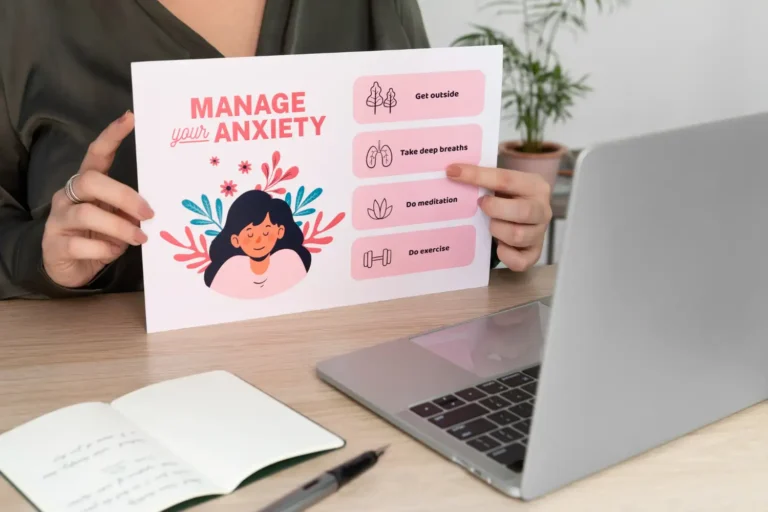

Stress Reduction Techniques: 12 Practical Ways to Relieve Stress
When stress builds up, you may want something practical you can do in the moment rather than another long list of lifestyle changes.
That is where stress reduction techniques can be useful. These are specific practices that can help you pause, redirect your attention, release physical tension, or create a little more space between a stressful situation and your response.
There is no single technique that works for everyone. A breathing exercise may feel helpful in one situation, while walking, grounding, stretching, journaling, or talking with someone may be more appropriate in another.
The goal is not to eliminate every stressful experience. Instead, these techniques can become part of a broader approach to managing everyday stress.
If you want to understand the bigger picture first, read our complete guide to stress management.
Table of Contents
What Are Stress Reduction Techniques?
Stress reduction techniques are specific practices that can help you respond to feelings of pressure, tension, worry, or overwhelm.
Some techniques focus primarily on the body, while others work with attention, thoughts, emotions, or everyday behavior.
Examples include:
- Slow breathing
- Progressive muscle relaxation
- Mindfulness
- Grounding exercises
- Physical movement
- Stretching
- Journaling
- Guided relaxation
- Time in nature
- Brief pauses during demanding activities
- Talking with someone you trust
- Visualization
You do not need to practice all of them.
A better approach is to experiment with a few techniques and notice which ones fit your circumstances.
1. Slow and Gentle Breathing
Breathing is one of the simplest techniques to try when you notice yourself becoming tense or overwhelmed.
When you are under pressure, you may become more aware of your breathing or start breathing differently.
A simple practice is to slow your breathing without forcing it.
How to try it
- Sit or stand in a comfortable position.
- Relax your shoulders as much as possible.
- Breathe in gently.
- Allow the exhale to be comfortable and unforced.
- Continue for several slow breaths.
- Stop if you feel uncomfortable or lightheaded.
The purpose is not to achieve a perfect breathing pattern.
Instead, use the exercise as a short opportunity to pause and bring your attention back to the present moment.
The NHS provides a practical guide to breathing exercises for stress, including a simple breathing practice that can be done while sitting, standing, or lying down.
2. Progressive Muscle Relaxation
Progressive muscle relaxation involves deliberately tensing and then relaxing different muscle groups.
It can help you become more aware of physical tension and practice releasing it.
How to try it
Begin in a comfortable position.
Move gradually through different areas of the body, such as:
- Hands
- Arms
- Shoulders
- Face
- Abdomen
- Legs
- Feet
For each area, briefly notice the tension and then allow the muscles to relax.
Do not strain or force your muscles.
If you have an injury, pain condition, or another health concern, choose a gentler approach or ask a healthcare professional whether this exercise is appropriate for you.
3. Mindfulness
Mindfulness involves paying attention to the present moment with greater awareness and less automatic judgment.
When your mind is focused on what might happen tomorrow or repeatedly revisiting what happened yesterday, returning attention to the present can provide a useful pause.
A simple mindfulness practice
Choose something that is happening right now.
For example, notice:
- What you can see
- What you can hear
- What you can physically feel
- Your breathing
- The position of your body
You do not need to force your thoughts to disappear.
Simply notice when your attention wanders and gently bring it back.
4. The Five-Senses Grounding Technique
Grounding can help redirect your attention toward your immediate surroundings.
One simple approach is to deliberately notice information from your senses.
Try identifying:
- 5 things you can see
- 4 things you can physically feel
- 3 things you can hear
- 2 things you can smell
- 1 thing you can taste
You can adapt the exercise if some senses are difficult to use.
The purpose is to shift your attention away from an overwhelming mental loop and toward what is happening around you.
5. Gentle Stretching
Physical tension can accompany stressful situations.
Gentle stretching gives you an opportunity to move your body and notice areas where you are holding tension.
You might slowly stretch:
- Your neck
- Shoulders
- Upper back
- Arms
- Hips
- Legs
Keep movements comfortable and avoid bouncing or forcing a stretch.
A few minutes may be enough.
If a movement causes pain, stop and choose another activity.
6. Take a Short Walk
Walking can combine physical movement with a change of environment.
You might walk outdoors, around your workplace, through your home, or somewhere else that feels comfortable.
Instead of treating the walk as another task to complete, use it as an opportunity to notice your surroundings.
Pay attention to:
- Your footsteps
- Your breathing
- The movement of your arms
- Sounds around you
- The temperature of the air
- What you can see
If you already enjoy walking, you can learn more about developing a relaxed walking mindset.
7. Guided Relaxation
Guided relaxation uses spoken instructions to direct your attention toward breathing, physical sensations, imagery, or relaxation.
Some people prefer guided practices because they do not have to decide what to focus on themselves.
You might use:
- A short audio exercise
- A mindfulness recording
- A guided body scan
- A relaxation session
- A simple meditation
Choose a practice that feels comfortable rather than assuming that longer sessions are automatically better.
Even a brief pause can create space in a busy day.
The World Health Organization also provides an illustrated guide called Doing What Matters in Times of Stress, which introduces practical self-help skills for coping with stress and adversity.
8. Use a Body Scan
A body scan is a mindfulness-based practice in which you move your attention gradually through different parts of your body.
You can practice it while sitting, lying down, or standing.
Start with one area and notice what you can feel.
You might observe:
- Warmth or coolness
- Pressure
- Tightness
- Relaxation
- Movement
- Contact with a chair or floor
There is no need to change every sensation.
The purpose is simply to notice what is happening in your body.
9. Write Down What Is on Your Mind
Writing can help you organize thoughts that feel scattered or repetitive.
You do not need to write a polished journal entry.
Set a short amount of time and answer a few questions:
What is worrying me right now?
What can I actually do about it?
What can wait until later?
What do I need from myself or from someone else?
You can then separate your concerns into practical actions and things that are currently outside your control.
This can make a vague sense of overwhelm feel more specific and manageable.
10. Spend Time in Nature
A change of environment can create a useful break from repetitive routines.
If possible, spend some time in a natural setting such as:
- A park
- A garden
- A quiet outdoor space
- A walking trail
- A place with trees or open space
You do not need to spend hours outside.
Even a short period away from your usual environment can provide an opportunity to slow down and notice your surroundings.
11. Use a Short Visualization Exercise
Visualization involves creating a mental image of a place, activity, or situation that feels comfortable and safe to you.
Close your eyes if that feels comfortable and imagine a familiar calming environment.
You might picture:
- A quiet beach
- A peaceful garden
- A comfortable reading corner
- A forest path
- Your favorite relaxing place
Try to imagine details such as sounds, textures, temperature, and light.
If visualization feels frustrating or difficult, choose another technique instead. Not every practice suits every person.
12. Talk to Someone You Trust
Not every stress reduction technique needs to be practiced alone.
Sometimes the most useful step is to communicate with someone you trust.
You might say:
“I’ve been feeling under pressure lately. Could I talk to you about it?”
You do not necessarily need advice.
Sometimes being listened to can help you organize your thoughts and feel less isolated.
If stress is persistent or significantly affecting your everyday life, consider speaking with a qualified healthcare or mental health professional.
Social connection can also play an important role when dealing with difficult periods. The American Psychological Association’s guidance on managing stress and strengthening your support network explains how supportive relationships can help people cope with life’s challenges.
Which Stress Reduction Technique Should You Choose?
The most useful technique depends partly on what you are experiencing.
| What you notice | Technique to consider |
|---|---|
| Feeling physically tense | Progressive muscle relaxation |
| Racing thoughts | Mindfulness or grounding |
| Feeling disconnected from the present | Five-senses grounding |
| Sitting for too long | Gentle stretching or walking |
| Difficulty switching attention | Body scan |
| Repetitive worries | Journaling |
| Feeling mentally overloaded | Short pause or guided relaxation |
| Wanting a change of environment | Time in nature |
| Feeling alone with a problem | Talk with someone you trust |
This table is a starting point, not a prescription.
You can try different approaches and decide which ones feel realistic and comfortable for you.
Stress Reduction Techniques for Different Situations
The best technique may also depend on where you are.
At Work
If you are at work, choose something discreet and practical.
You could:
- Take a few slower breaths.
- Stand and stretch.
- Walk briefly if possible.
- Focus on one task at a time.
- Step away from unnecessary notifications.
If workload is the main problem, relaxation alone may not solve the underlying issue. You may also need to review priorities, deadlines, or responsibilities.
At Home
At home, you have more freedom to choose longer practices.
You might try:
- A body scan
- Guided relaxation
- Gentle stretching
- Journaling
- A short walk
- A quiet activity you enjoy
If you want broader strategies for changing your daily routine, read our guide on how to reduce stress in everyday life.
Before Bed
If your mind remains busy at night, avoid turning stress reduction into another performance task.
Instead, create a simple transition toward rest.
You might:
- Put unfinished tasks on paper.
- Dim the lights.
- Practice gentle breathing.
- Read something relaxing.
- Keep your evening routine predictable.
If sleep problems continue regularly, consider discussing them with a healthcare professional rather than assuming stress is the only possible cause.
How Long Should You Practice a Stress Reduction Technique?
There is no universal amount of time that everyone needs.
Some techniques can be practiced for a few minutes, while others may be more useful as longer routines.
The important factor is consistency and suitability.
For example:
- A few slow breaths can create a brief pause.
- A short walk can provide movement and a change of environment.
- A longer mindfulness or relaxation session may fit better into dedicated personal time.
Do not assume that practicing longer automatically produces better results.
Choose a duration that fits your day and feels sustainable.
What If a Stress Reduction Technique Does Not Work?
Not every technique will feel helpful.
You might dislike meditation but enjoy walking.
You might find breathing exercises useful in one situation but prefer journaling when dealing with complicated worries.
That is normal.
If a technique feels uncomfortable, frustrating, or ineffective, try another approach.
You can also ask whether the technique is addressing the right problem.
For example, if your stress comes from an unrealistic workload, five minutes of relaxation may provide a temporary pause but will not change the workload itself.
In that situation, practical problem-solving, boundaries, communication, or additional support may be more important.
Stress Reduction Techniques vs. Stress Management
These terms are related but not identical.
Stress reduction techniques are specific practices you can use to respond to tension or pressure.
Examples include breathing, grounding, stretching, mindfulness, and progressive muscle relaxation.
Stress management is broader.
It can include:
- Identifying stressors
- Changing unhealthy routines
- Setting boundaries
- Improving time management
- Maintaining supportive relationships
- Developing coping skills
- Seeking professional support when necessary
In other words, a stress reduction technique can be one tool within a broader stress management plan.
When Should You Seek Professional Support?
Stress is a normal part of life, but persistent or overwhelming stress deserves attention.
Consider seeking professional support if stress:
- Continues for an extended period.
- Interferes with work or daily responsibilities.
- Significantly affects your relationships.
- Regularly disrupts your sleep.
- Feels increasingly difficult to manage.
- Leads you to rely on alcohol or other substances to cope.
- Causes significant emotional distress.
A healthcare professional can help determine what may be contributing to your difficulties and discuss appropriate support.
Also remember that physical or emotional symptoms can have causes other than stress. Avoid using stress reduction techniques as a substitute for appropriate medical evaluation.
If you experience thoughts of suicide or feel that you may be in immediate danger, seek urgent help through local emergency services or an appropriate crisis support service.
Frequently Asked Questions About Stress Reduction Techniques
What Is the Most Effective Stress Reduction Technique?
There is no single technique that is best for everyone. Breathing, mindfulness, grounding, movement, relaxation, journaling, and social connection can all be useful approaches depending on the situation and the individual.
What Is a Quick Technique to Relieve Stress?
A brief pause with slow, comfortable breathing, grounding through your senses, or a short walk may be practical options when you need a simple technique during a busy day.
Do Breathing Exercises Reduce Stress?
Breathing exercises can be a useful relaxation practice for some people. Keep the breathing comfortable and avoid forcing deep or prolonged breaths, especially if they make you feel uncomfortable.
Can Walking Help With Stress?
Walking provides physical movement and can also offer a change of environment. It may be a practical stress-management activity for people who enjoy walking and can do so comfortably.
How Often Should I Practice Stress Reduction Techniques?
There is no universal schedule. Some techniques can be used when stress appears, while others may work better as regular habits. Choose an approach that fits your routine and is comfortable to maintain.
What If My Stress Does Not Improve?
If stress remains persistent, becomes overwhelming, or interferes with daily life, consider discussing it with a qualified healthcare professional. A technique alone may not address the underlying circumstances contributing to stress.
Final Thoughts
Stress reduction techniques can give you practical ways to pause, reconnect with the present moment, release tension, or create space during difficult periods.
You do not need to master every technique.
Start with one approach that fits your current situation. Try it without expecting perfection, notice how it feels, and adjust when necessary.
For some people, that may be a short walk. For others, it may be breathing, stretching, grounding, writing, or talking with someone they trust.
The goal is not to eliminate every stressful moment.
It is to build a flexible set of tools that can support you when everyday pressure becomes difficult to manage.
Start with one technique. Keep what works for you.
Medical disclaimer: This article is for educational purposes only. It does not provide medical advice, diagnosis, or treatment. If stress is persistent, severe, or affecting your daily functioning, consider speaking with a qualified healthcare professional.